Sustainable Architecture: Eco-Friendly Building Practices for Nepal
Last updated on May 14, 2026
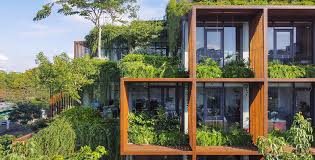
Sustainable architecture is gaining momentum in Nepal, and for good reason. Eco-friendly buildings save money on utilities, improve indoor air quality, and reduce environmental impact. Here's what you need to know.
Passive solar design: Orient your home to capture winter sun and block summer heat. South-facing windows with proper overhangs, thermal mass floors, and strategic landscaping can reduce heating and cooling costs by up to 30%.
Natural ventilation: Traditional Nepali architecture understood cross-ventilation. Design window placement to capture prevailing breezes, incorporate courtyards for stack effect, and use clerestory windows to release hot air.
Local and sustainable materials: Locally sourced bricks, timber, and stone reduce transportation emissions. Bamboo, rammed earth, and compressed stabilized earth blocks (CSEB) are sustainable alternatives to conventional materials.
Water conservation: Rainwater harvesting systems, greywater recycling, low-flow fixtures, and permeable paving reduce water consumption. Nepal's monsoon provides abundant water — capture and store it.
Energy efficiency: LED lighting, energy-efficient appliances, solar water heaters, and proper insulation reduce electricity bills. Passive design reduces the need for artificial heating and cooling.
Waste reduction: Design for material efficiency to minimize construction waste. Include recycling systems in your home design. Consider future adaptability — spaces that can evolve with your needs.
Cost and payback: Sustainable features often add 5-10% to initial construction costs but pay back through lower utility bills within 5-10 years. Government incentives for solar and rainwater harvesting can reduce upfront costs.
At Subhaarambha, we integrate sustainable practices into every project — without compromising aesthetics or budget. Let's build a home that's good for you and good for the planet.