Modern vs Traditional Architecture: Finding the Right Balance for Your Nepali Home
Last updated on May 14, 2026
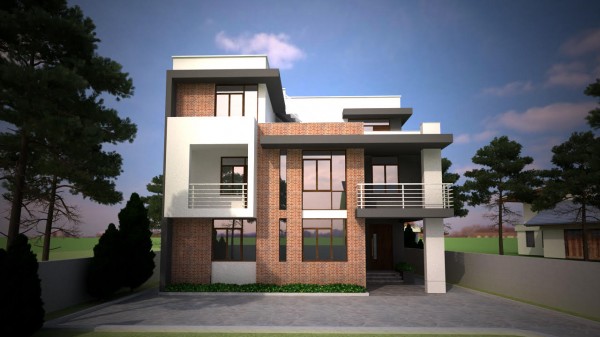
One of the first decisions homeowners face is architectural style. Modern minimalism? Traditional Nepali design? The answer isn't either-or — the most successful homes blend both. Here's how to find the right balance.
Traditional Nepali architecture features: Brick and timber construction, carved wooden windows and doors, courtyards (chowks), sloping roofs with clay tiles, and intricate Newari detailing. These elements connect homes to Nepal's rich cultural heritage.
Modern architecture features: Clean lines and minimal ornamentation, large glass windows for natural light, open floor plans, concrete and steel construction, and integration with nature. These elements offer functionality, light, and efficiency.
The best of both worlds: Traditional exterior, modern interior. Keep the facade culturally appropriate — brick, carved windows, sloped roof — while enjoying an open, light-filled contemporary interior. Many of our clients choose this approach.
Cost considerations: Traditional detailing requires skilled craftsmen, which can increase costs. Modern minimalist design can be more affordable but may lack character. A balanced approach allows you to prioritize where to invest.
Climate considerations: Traditional designs evolved to suit Nepal's climate — courtyards for ventilation, sloped roofs for monsoon rain, deep overhangs for shade. Smart modern design incorporates these passive climate strategies.
Resale value: Both styles have market appeal. Traditional homes attract heritage buyers. Modern homes attract younger families. The best-balanced approach appeals to the widest audience.
At Subhaarambha, we specialize in creating homes that honor Nepali heritage while embracing modern comfort. We'll help you find the perfect balance for your lifestyle and budget. Schedule a consultation to discuss your vision.